WHAT I’VE LEARNT IN MY 18 YEARS IN FASHION
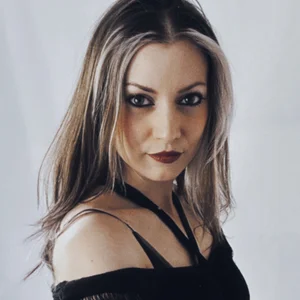
I started working in fashion eighteen years ago. Back then, I wouldn't have imagined I'd spend this long working in (almost) every corner of the industry, or that style wasn't about trends. But style is identity and self-expression, and the more I studied and worked, the clearer it became.I was 20 when I started modelling, which wasn’t young enough. At 172 centimetres, I wasn’t tall enough either. And quite often I felt I wasn’t beautiful enough. Depending on the job, I wasn’t thin enough or curvy enough, so self-objectification became my default setting.
I’m not sure if you know this about modelling, but rejection is very common. It’s actually the norm. You are constantly going to castings and being put forward for jobs, but you don’t get most of them.
When that happened, I always blamed myself. Thinking that I wasn’t professional enough, friendly enough, striking enough, commercial enough, or high-fashion enough. I took every “no” as proof of being inadequate and added new qualities to the long list of things that I thought I lacked.
I dealt with it the people-pleasing way, by toning myself down. I became a watered-down version of myself, thinking it would be more likeable than the real me, and transformed into what I thought would get me more jobs.
To no surprise, I lost myself in the process.
Being a model, I had no voice in fashion. I would wear the outfits, embody someone else’s vision, and not be part of the conversation. For many years, I was just a face.
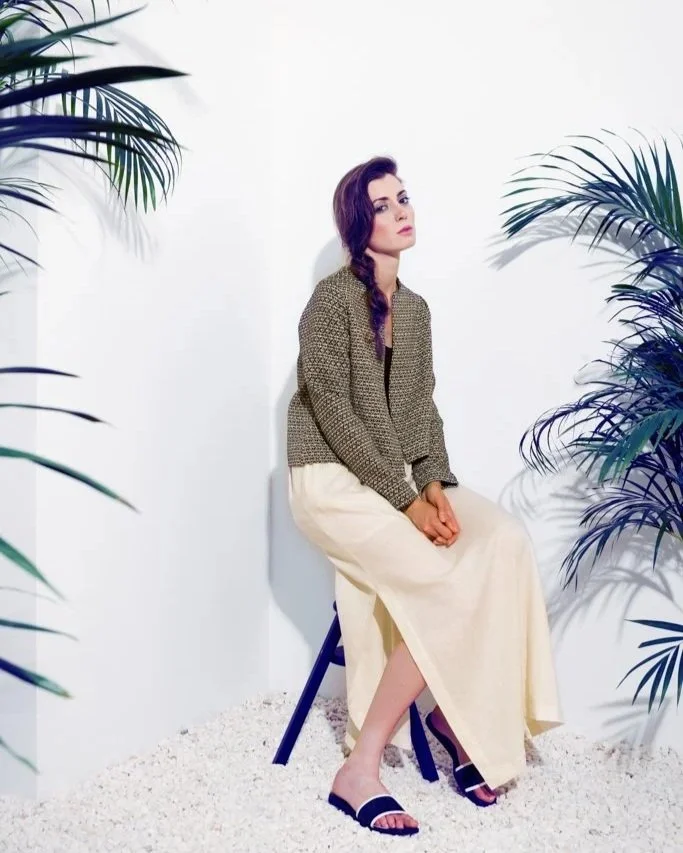
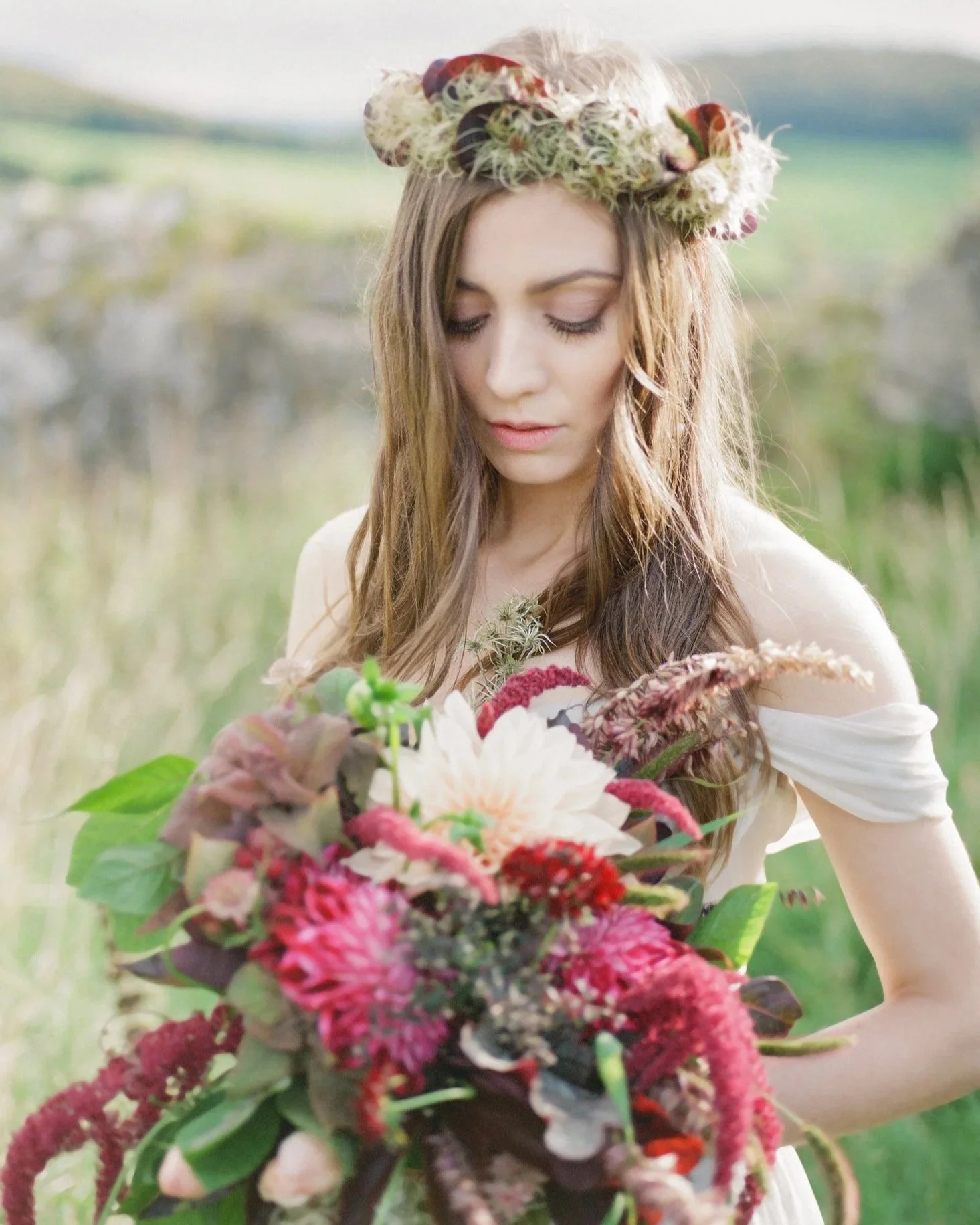
But then I became a writer, and I suddenly had a voice.
Becoming a fashion journalist changed the game for me. Because of the type of magazine I was writing for, I went from the commercial side of fashion to the cultural and historical one. Moving from an environment ruled by beauty standards to researching how people used fashion throughout history to express themselves and rebel against the status quo.
This is when I started to see fashion as something deeper than clothes, and I really liked it.
Also, writing helped me trust my skills and gain confidence. I was writing in my third language, so every time I saw my name in a publication, I felt even prouder. Especially after my very first article was retweeted by Margherita Missoni. Such a great start.
However, I ended up going back to the beauty standards side of fashion. This time, as a model agent, which meant working behind the scenes.
My agency focused on international modelling, so I had to deal with top model agencies worldwide. The models were very young, very thin, very tall, and very beautiful, and I was surrounded by that beauty standard every day. As a workaholic, it became my little bubble, making me think it was just the way the world was, when it clearly isn’t.
But repetition made it feel real. It became normal because it was my normal, even though I was well aware that fashion images were curated and that beauty standards only include a limited version of beauty. It’s very similar to social media nowadays. We know it’s not reality, we know it’s edited, and we know it’s not natural, but seeing that content over and over makes it feel like the norm.
For me, the turning point was finally being able to take it all as a fantasy. I realised how problematic the industry could be, and decided I wanted to be on the healthy side of fashion.
To me, fashion should be about self-expression, individuality, and diversity, and we should stop making it about fitting ourselves into a limited, toxic, and impossible mould.
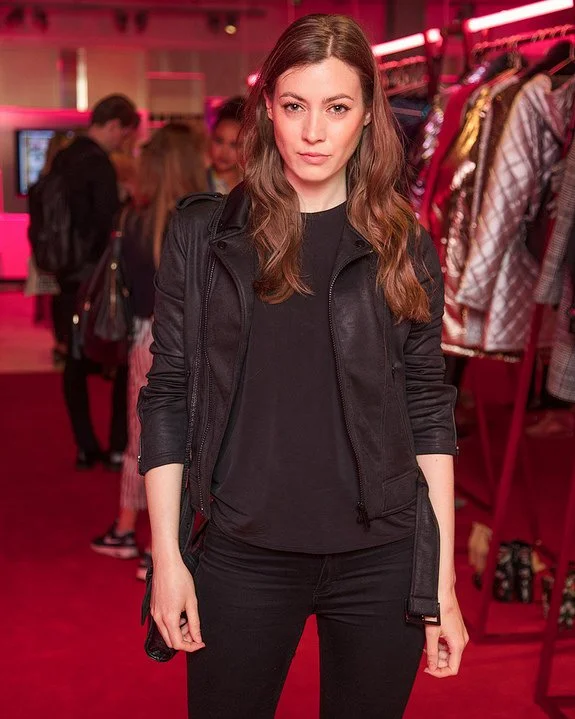
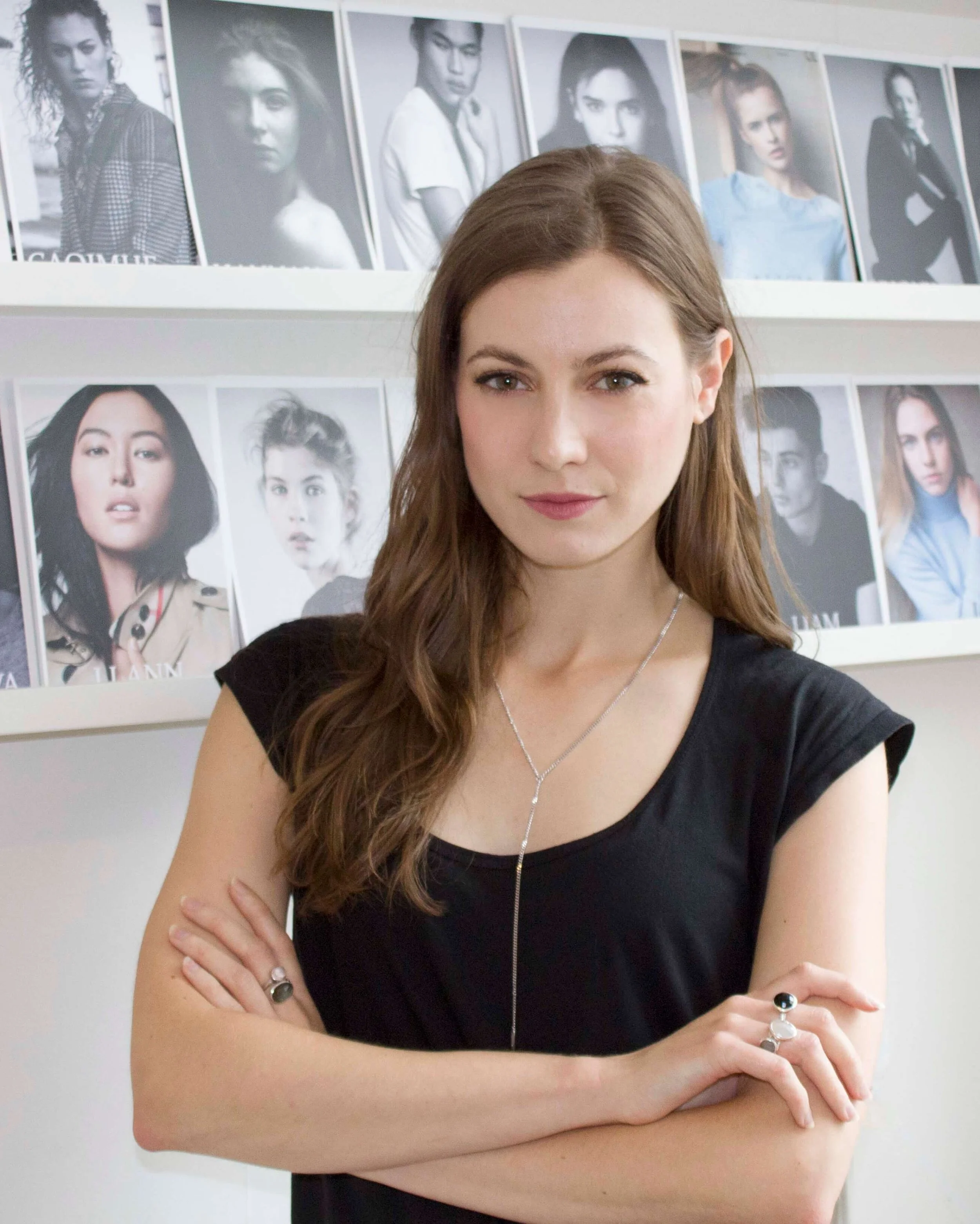
Meanwhile, as a fashion stylist, I discovered something that changed how I see work, and that also influenced other parts of my life: The importance of having personal projects.
Working with clients was exciting, but it had its limits. Fashion brands wanted looks that were polished, marketable and, most of the time, safe. There wasn’t a lot of space to experiment. With very little wiggle room to take risks, you couldn’t push creativity too far, in case it would impact sales negatively. It was a clear case of better to be safe than sorry.
That’s why testing was key. Tests are unpaid projects in which stylists, photographers, models, and other creatives come together to create visuals for their portfolios, without a client brief. It allowed us to take risks, experiment with different aesthetics, see where our ideas would take us, and discover who we worked best with. I realised that’s something everyone needs.
Somewhere along the way, we’ve been told that creativity is reserved for artists, designers, writers, or musicians, people with officially creative jobs, equating creativity with making money. But that’s not true, creativity is for everyone.
Creativity is finding ways to express who you are, and you can do it with your clothes, home decor, or even meals. The more space you make for creativity, which is expressing yourself without judgement or expectations, the more you validate yourself. Because you are saying “this is me” in ways that feel honest and unique to you.
While working as a model agent, I developed an interest in marketing. I loved seeing how companies connected with people, built their identities through storytelling, and created experiences that were beyond selling products.
So, of course, I did what I always do. I studied marketing and social media, and opened a new door.
Shortly after, I launched a new venture as a digital consultant for fashion and beauty brands, helping them develop their online voice. Looking back, I can see that it was all about style, because their voice wasn’t just the language they used. It was their aesthetic, their interests, the stories they told, how they told them, and how they translated their brick-and-mortar business to the online world. That’s all style.
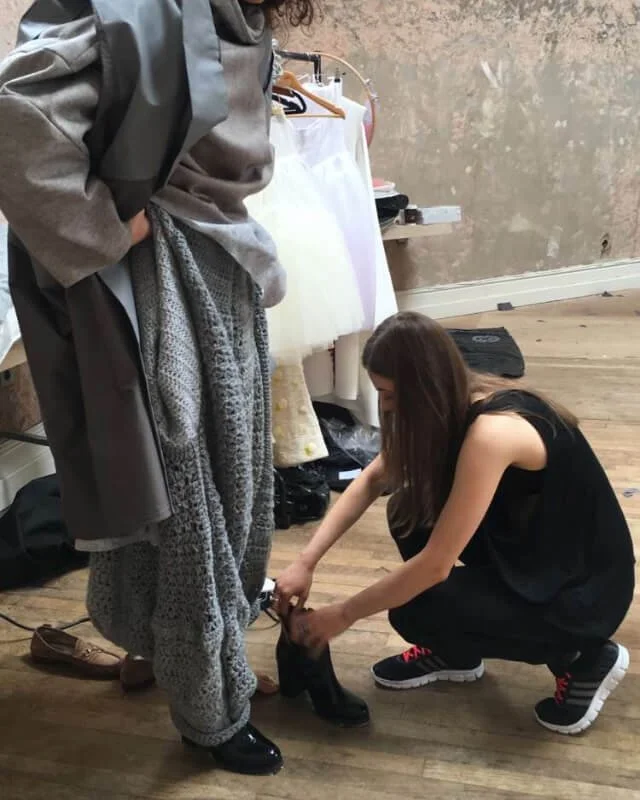
Style helps us express who we are and find our tribe, and I’ve always been fascinated by how fashion connects people. I saw this clearly when I worked in Brown Thomas, a luxury department store in Dublin.
One of my favourite things about working there was seeing all the outfits. The dress code was quite flexible, and every day I looked forward to seeing what my colleagues were wearing. And so did our customers.
Something I found very interesting was guessing who each customer would ask for help, because it said a lot about what they were looking for. They’d find someone whose style they resonated with, and know straight away that’d be the person they’d trust getting advice from. It was a clear example of how style sparks connection.
And while working there, I briefly connected with Kate Moss through style. She was hosting an event in the store, and as she walked past my section, she looked at me and said, “I love your outfit. The sparkles”. I was wearing a sequinned black dress, and that comment made my day.
I actually only wore black for seven years. Head to toe, even my pyjamas were black. So if you had told me back then that I would become a colour analyst, I would have laughed so hard.
But while training as an image coach, I realised that my all-black wardrobe wasn’t just a style preference, but a shield and a way to hide. I was making myself tiny, and occupying an increasingly smaller space, one garment at a time.
Thankfully, I was able to see it and understand why, and that led me to start experimenting with colour. I learnt that colour is an expression of emotion and that different shades bring out different sides of us.
Now, I love helping people explore colour, but not in a rigid “this is your season, so you can only wear this” way. Because while colour theory focuses on harmony, it can also be used to create contrast and make a statement. It’s all about understanding your natural colouring, how it interacts with other colours, and the effect you want to achieve.
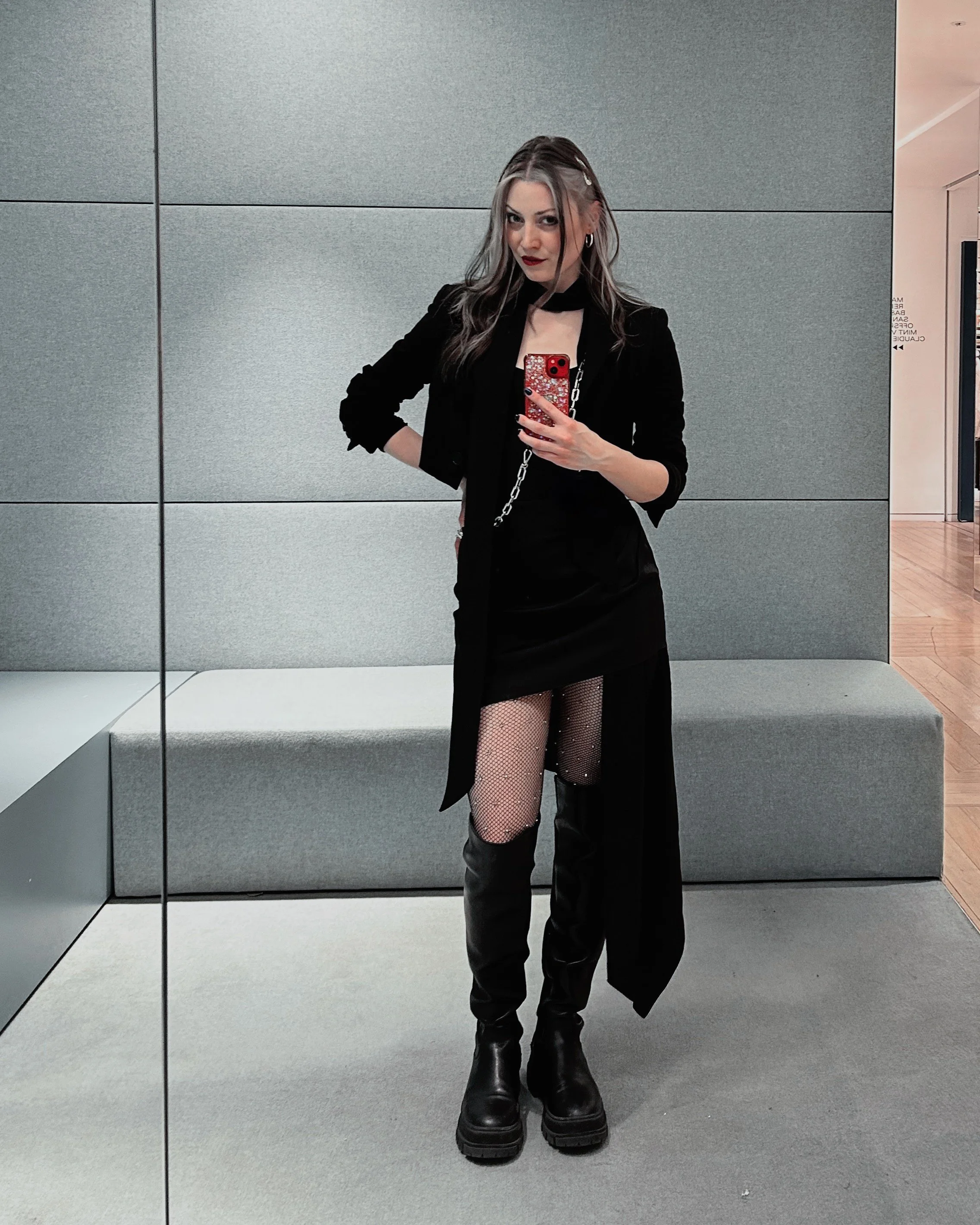
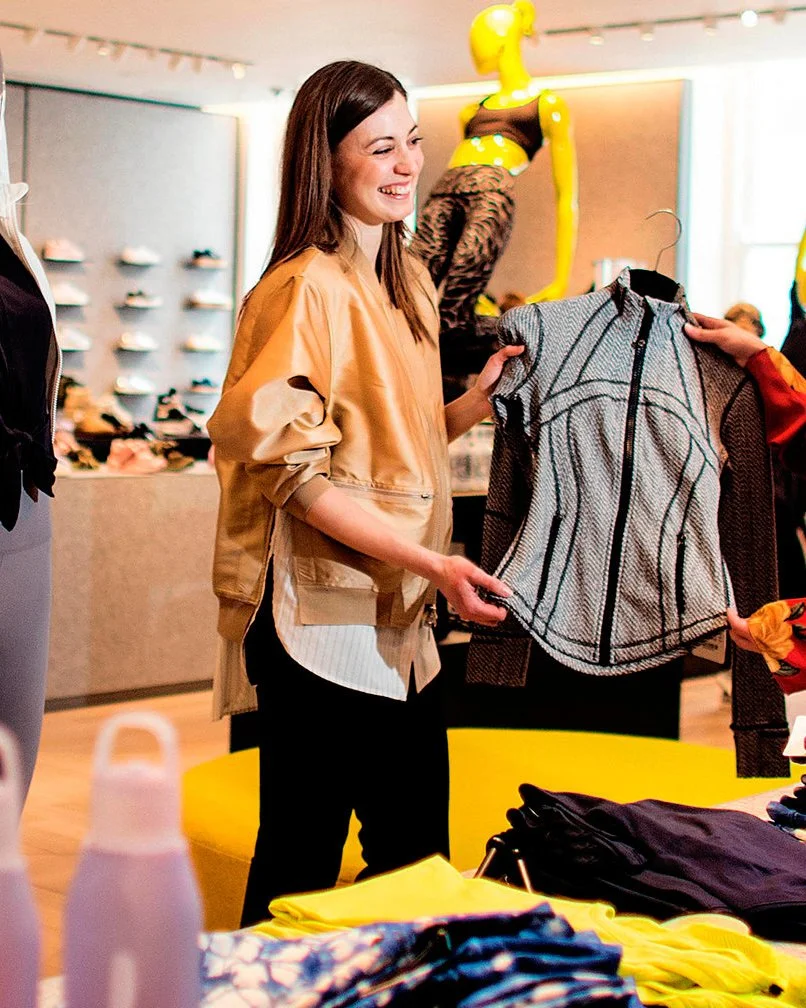
Nothing changed the way I dress more than image coaching. And when I did my training, I had already worked in fashion for 15 years, so that’s a big statement.
That training, and the formal study of psychology applied to personal image that followed, gave me a framework for something I had been observing intuitively for years: that style changes without inner work don’t stick.
My coaching transformation started on the inside, and I understood myself in a way I hadn’t before, tapping into my emotions and recognising my patterns. Then I got to work on my body image before moving into aesthetics, because to dress your body beautifully, you need to accept it first.
I had always dressed keeping trends and fashion rules in mind, but this process changed my relationship with style. Since I was accepting who I was, body included, I started dressing for myself. Not for trends, not for external validation, not to meet the idea of who I thought I should be.
What started as an image change became a life change, improving my relationships, my friendships, and even my love life. Because clothes aren’t just clothes. They reflect how we see ourselves, how we take up our space, and how we allow ourselves to be seen.
After that, I trained formally in image consulting. While I felt it was the missing piece, I also always aim to learn more. Deepening my understanding means connecting the dots, linking my existing knowledge to new ways of working with my image, and finding out how the different approaches are interlinked.
This time, the focus was on understanding what we look like, our natural design, colour, face and body shape, and how to adapt trends and styles to achieve the desired effects.
I learnt the techniques to read what suits someone on the outside and why, finding out the theory of something I had been doing by instinct for years. And understanding the aesthetic rules helped me, ironically, to break them with more confidence, laying the foundation for Style for the Unconventional.
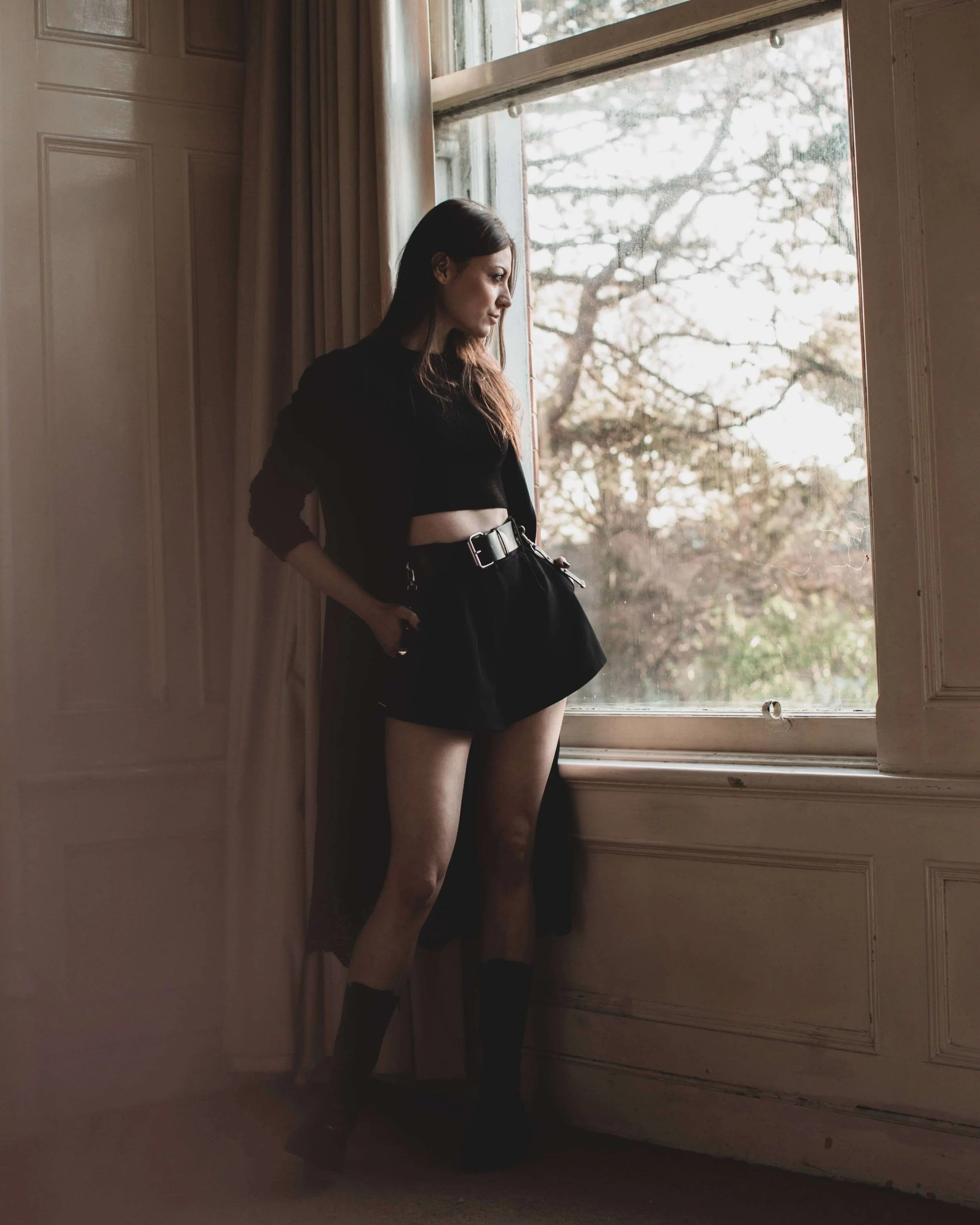
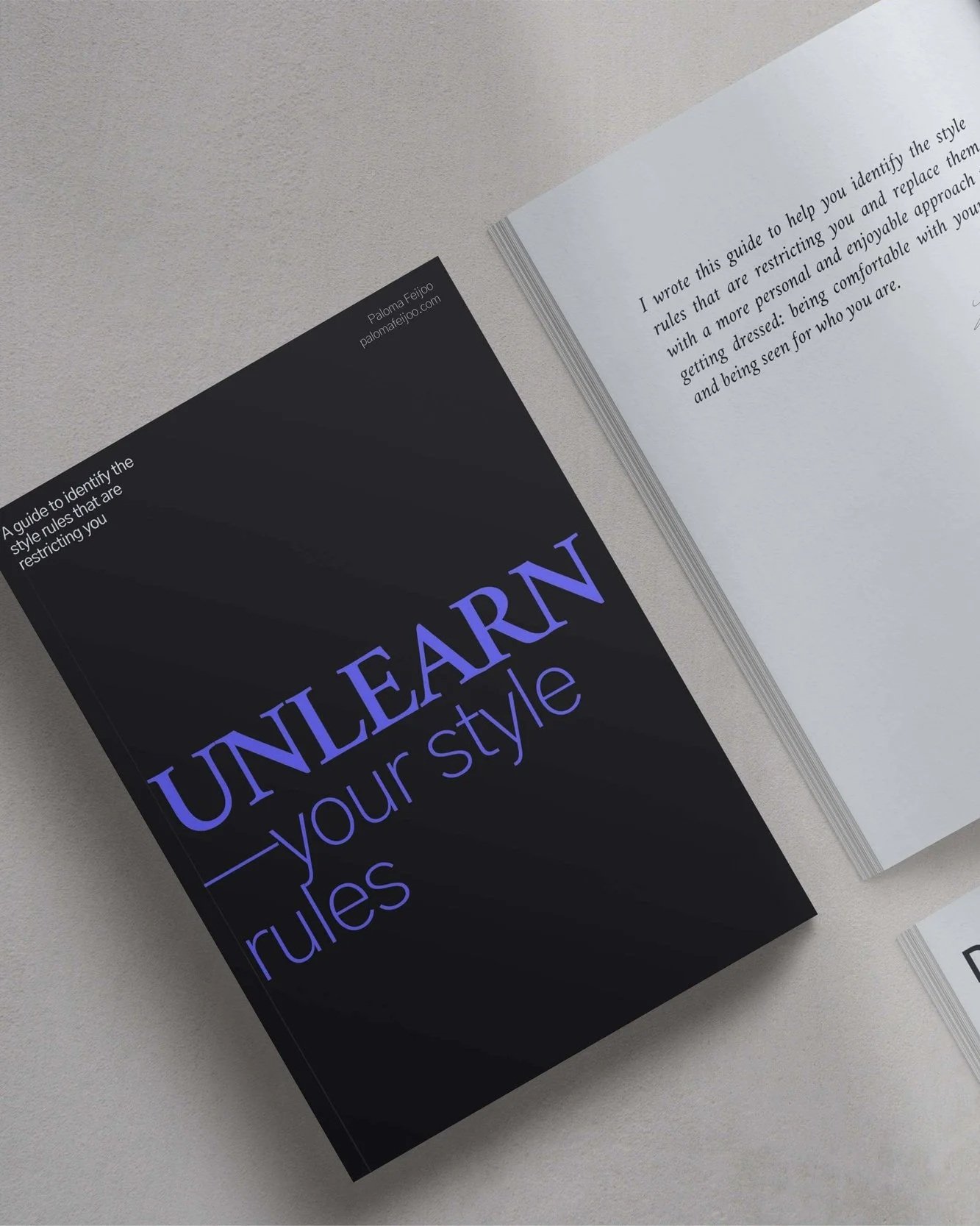
In these 18 years, I’ve learnt that even though the fashion industry has rules, your style doesn’t have to follow them.
The parts of yourself that you hide, like your quirks and differences, will feel more and more like flaws the longer you keep them buried. But the moment you let them out and embrace them through your style, they will stop being something that needs fixing to become something that suits you.
That’s why I do this job.